

Season of Place
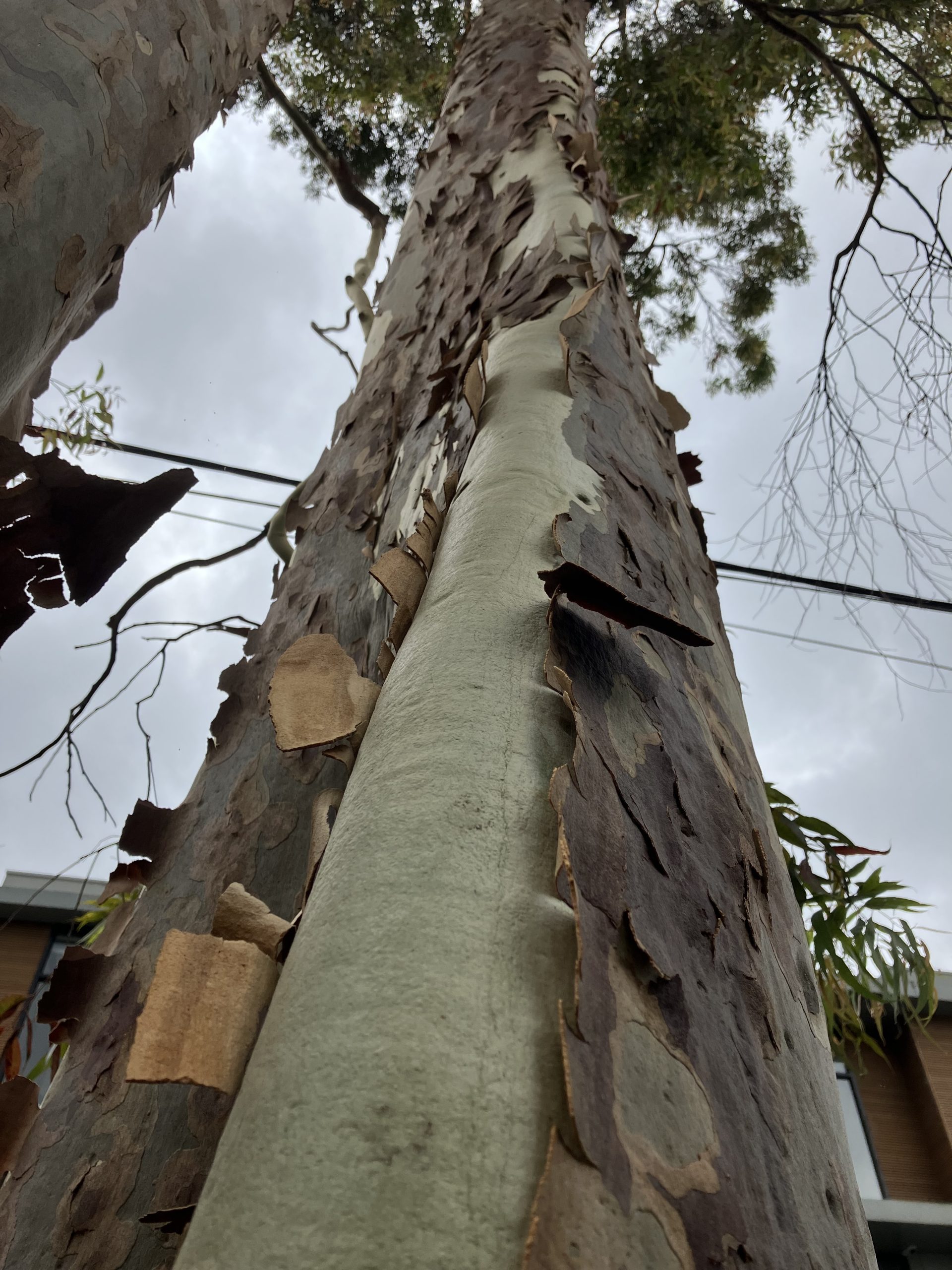
Over these past 4 weeks of the World Council of Churches, “Seasons of Creation”, each week, in a small way, we have anchored our reflections upon the Word to the natural world around us. In my contemplative reading this week I found a literal example of this from my friend, spiritual colleague and Trappist Monk, Thomas Merton. In this extract, from my favourite book of his: The Sign of Jonas, he is somewhere in the Monastery garden reading. He makes reference to a statue of the Little Flower, a french saint, St Therese (d. 1897): who, although practically unknown in her short 24 year life, left a legacy of writing and prayers: some might even say ‘fever dreams’, of her encounters with Jesus.
‘Morning after morning I try to study the 6th chapter of John, and it is too great. I cannot study it. I simply sit still and try to breathe.
There is a small black lizard with a blue, metallic tail, scampering up the yellow wall of the church next to the niche where the Little Flower, with a confidential and rather pathetic look in her eyes, offers me a rose. I am glad of the distraction, because I can breathe again and think a little.
It does no good to use big words to talk about Christ. Since I seem to be incapable of talking about him in the language of a child, I have reached the point where I can scarcely talk about him at all. All my words fill me with shame.’
There were so many things I love about that window into how Thomas Merton read scripture, where he read the bible, and is relationship with it. Did you hear the frustration: the impossibility to ‘hear the bible’: did you see the lizard: the colours of it: could you imagine the prayer in the watching, and how that may have had it’s affect on Thomas? And his conclusion, just in that moment: not to use log words about Jesus?
And, what may you ask me, has that ANYTHING to do with today’s reading?
Well, what have you ever made of these two stories yourself?
“By what Authority do you teach? and ‘there were once two sons…’ ”
Some commentators underline the link in these two scriptures as to questions of Authority. In our current local and world politics, there is a lot of contest about authority. Does an independent Judiciary have authority, or can you just use a sharpie texta, and sign a document in a folder?
“Does the baptism of John come from heaven or was it of human origin?” The people were drawn to John the Baptist in the wilderness… but the authorities, they were not sure. John the Baptist was drawing people away from them and debunking their authority. And his lifestyle & message contradicted everything they stood for. John believed that hope resided in turning towards God, without needing the approval of the temple. At this point in the context of the people in this story, although John the Baptist was dead, he was still politically and religiously alive in the people.
There are so many similarities with how we experience faith now, in the church. None of you need the Church to proclaim to us what to think or what to believe. The church rather, provides a scaffolding in which we can explore the mystery we name God. One of the two best things offered to me at Theological colleges was that the Christian Church has always spoken with a polyphonic voice. Simply look at the range of differences of experience in theology as recorded in the New Testament. The other question from college, was the question that continues to lead me on: In what ways is the Bible Authoritative?
When we turn to the seemingly simple parable of the two Sons: what do we think?
A man had two sons; he went to the first and said, ‘Son, go and work in the vineyard today.’ He answered, I will not; but later he changed his mind and went. The father went to the second and said the same; and he answered, ‘I go, sir’; but he did not go. Which of these two did the will of his Father? They said, ‘the first’.”
And we all think the first one. In the parable, that’s us: we do what we say, don’t we? We, follow Jesus, so we walk with him along the way life: in his way of life as we best understand it. We are continually living into the grace we have received. Living into loving. Living into forgiving: self and others. Living into the healing, and wholeness that salvation is. This of course,… until the rug is removed from our feet in this story. We’re actually maybe more like the second child…
Theologian, Andrew Marr, in his book, Moving and Resting in God’s Desire, p. 108. comments on this parable in a different way: “Short as this parable is, it suggests that the two brothers are embroiled in mimetic rivalry to the extent that they always say the opposite of what the other says and do the opposite as well. That is, they react to each other and not at all to the father. Both then, have failed to respond to the father and both are in need of forgiveness and mercy. When Jesus responds to his listeners by pointing out that tax collectors and prostitutes believed John the Baptist and they didn’t, he is hinting that the victims of their mimetic rivalry are entering the Kingdom ahead (and maybe instead) of them.”
Note that the parable and it’s explanation does not exclude the son’s in salvation: but rather, plays again with us, about the ordering of the kingdom Jesus calls us into: and the invitation to respond, respond, respond to the call of the Spirit in our lives and living.
How does the authority of Jesus influence your living?
When you are praying the bible, or reading it, do you also, like Thomas Merton find that it’s hard work: or as he says “Morning after morning I try to study the 6th chapter of John, and it is too great. I cannot study it. I simply sit still and try to breathe.”
What is the authority of the Bible in your study of it?
And in all these questions: are they anchored in the place you were reading or praying? The Bible, New and Old Testaments, are full of stories anchored to place: “We were in THIS place, or THAT place”. Jesus’ location of prayer is often made reference to. The upper room is noted as a place of encounter with the Spirit.
Brother Ramon, British Anglican Franciscan (think about that for a moment – and then relish in the polyphonic voice of the Christian Church) noted a letter from his friend Eric: who, writing in the Spirit, wrote these words to him in the Monastery: (hear the voice of God or Christ or Spirit as I read this prayer)
“The desert and the wilderness come before the Promised Land, but I am here in the aloneness of the desert and I am there in the wilderness. I am not more than a pace away from wherever you are and I choose to be with you in the wilderness because I love you and I am drawing you on to the Promised Land, to the land of joy and fulfilment, the land of peace the land of My glory and beauty. Remember too – it is easier to stay close to Me in the desert and you are in the desert because I love you. I will be faithful to you as you will remain faithful to me. I will be faithful to you and I will grant your request, the desire of your heart.”
Let’s say Yes to God. Amen.